
PCAF
PCAF in Korea
Partnership for Carbon Accounting Financials
The Partnership for Carbon Accounting Financials (PCAF) is a global, financial industry-led partnership established to standardize the measurement and disclosure of greenhouse gas emissions associated with financial activities, including lending, investment, capital market facilitation, and insurance underwriting.
KoSIF established PCAF-KOREA in 2022 to support Korean financial institutions in measuring and disclosing emissions associated with their financial activities and strengthening their capacity to advance sustainable finance.
Through PCAF-KOREA, we connect global GHG accounting standards with Korean financial market practice, supporting more transparent, comparable, and credible climate-related financial disclosure in Korea.
Why GHG Accounting Matters for Financial Institutions
GHG Emissions Associated with Financial ActivitiesFinancial institutions are linked to greenhouse gas emissions not only through their own operations, but also through financial activities such as lending, investment, capital market facilitation, and insurance underwriting.
A Starting Point
for Net Zero
Measuring and disclosing these emissions is a starting point for understanding the climate impact of financial activities, managing climate-related transition risks, and developing credible net-zero strategies.
As financial institutions move toward net-zero by 2050, standardized GHG accounting enables them to establish a credible baseline for target-setting, implementation, and disclosure. It also strengthens the transparency, comparability, and credibility of climate-related financial disclosure.
PCAF provides a global GHG accounting and reporting standard for financial institutions working to measure, disclose, and manage emissions associated with their financial activities.
PCAF Standard
The Global GHG Accounting and Reporting Standard for the Financial Industry provides methodological guidance for financial institutions to measure and report greenhouse gas emissions associated with their financial activities.
The Standard is composed of three parts: Part A for financed emissions, Part B for facilitated emissions, and Part C for insurance-associated emissions.

Part BFacilitated Emissions
- Guidance for measuring and reporting greenhouse gas emissions associated with capital market facilitation activities.
- View Report
Part CInsurance-Associated Emissions
- Guidance for measuring and reporting greenhouse gas emissions associated with reinsurance and insurance underwriting.
- View Report
PCAF Progress in Korea
Number of PCAF Signatories
Financial Assets Represented by PCAF Signatories
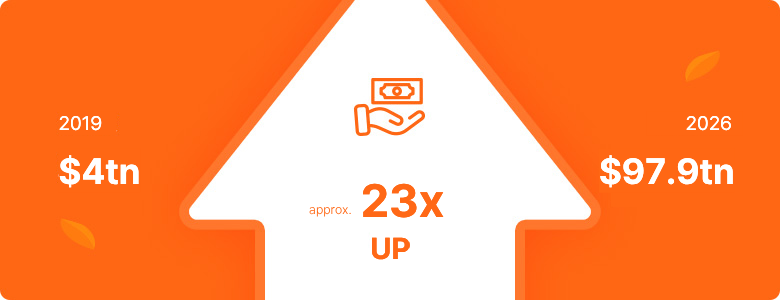
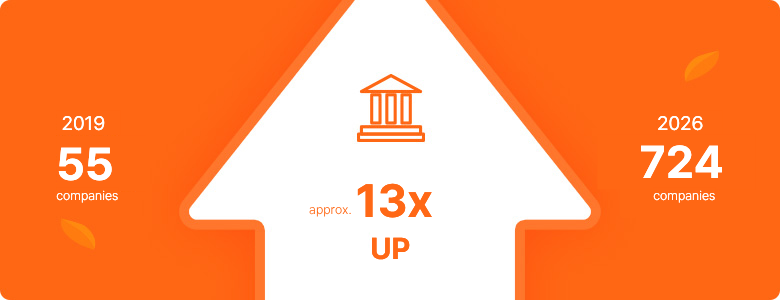
Since its global launch in 2019 with 55 financial institutions, PCAF has continued to expand. Today, 724 financial institutions worldwide, including 23 in Korea, participate in PCAF, representing USD 97.9 trillion in financial assets globally and USD 3.7 trillion in Korea.
For Korean Financial Institutions Interested in Joining PCAF
How to Join
-
 Step 1
Submit a
commitment letter -
 Step 2
Complete the annual
membership fee payment -
 Step 3
Measure and disclose financed emissions
within three years of joining
Participation Benefits
- Access to the PCAF Database
- Technical support for using the PCAF Standard and Database
- Access to PCAF Academy to build internal capacity in GHG accounting
- Opportunities to engage with global peers and participate in standard-related activities
 Contact