
What is CDP
What is CDP?
CDP operates the world’s only independent environmental disclosure system.
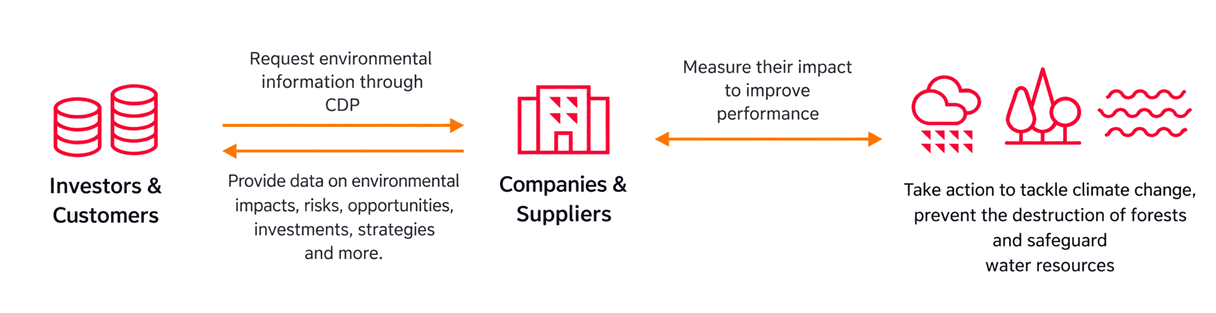
Through CDP, more than 540 Capital Markets Signatories and more than 270 major buyers request companies and suppliers to disclose environmental data on climate change, water security, forests, biodiversity, and plastics. As of 2025, more than 22,100 organizations worldwide, including 682 Korean companies, disclose key environmental data through CDP.
KoSIF : Secretariat of the CDP Korea Committee

-
KoSIF serves as CDP’s Korea partner and the secretariat of the CDP Korea Committee, which has led the CDP programs in Korea since 2008. Starting with climate-related disclosures from Korea’s 50 largest listed companies, our coverage has expanded steadily, including the introduction of water security disclosure in 2014.
Through CDP, KoSIF supports Korean companies and financial institutions in responding to global environmental disclosure expectations. We also promote the use of environmental data across companies, financial institutions, and market stakeholders.
CDP Projects
-
CDP Programs

CDP Programs

-
CDP Capital Markets Signatories
CDP Capital Markets Signatories
-
CDP Supply Chain
CDP Supply Chain
-
CDP ASP
CDP ASP
CDP Scores and Data
CDP is widely recognized as one of the world’s most trusted systems for environmental disclosure and scoring. In the Rate the Raters 2025 report, CDP was ranked among the highest-quality and most useful ESG ratings, alongside S&P Global ESG and EcoVadis. CDP data helps companies, financial institutions, policymakers, global initiatives, academia, and civil society assess environmental risks, strengthen transparency, and support data-driven decision-making.
Investors and Financial Institutions
- ESG investment and financing : Assess corporate environmental performance, identify risks and opportunities, and inform investment and financing decisions
Companies
- Environmental performance management : Monitor emissions, water use, energy use, and progress against sustainability targets
- Stakeholder communication and transparency : Communicate environmental performance to investors and other stakeholders, strengthening transparency and trust
Policymakers
- Policy development and progress monitoring : Use environmental data to support policy discussions and monitor progress on climate and environmental goals
- National reporting : Support country-level analysis of environmental performance and climate-related progress
Global Initiatives and Partnerships
- Global sustainability initiatives : Track corporate and financial institution progress
on environmental action through CDP data, including initiatives such as RE100
and SBTi
Academia and NGOs
- Research and analysis : Use CDP data for research on climate change, water risk, biodiversity, and corporate environmental performance
- Campaigns and education : Develop evidence-based campaigns and educational resources to encourage stronger corporate environmental action

CDP Disclosure Cycle
-
 Step 1
Disclosure request
letters are sent -
 Step 2
Questionnaires, guidance,
and scoring methodologies
are published -
 Step 3
The CDP response
window opens -
 Step 4
Disclosers submit
responses -
 Step 5
Public scores and
A Lists are published

 Contact
- CDP Korea Committee (cdp@kosif.org)
- CDP Help Center (help.cdp.net/en-US/)
CDP Programs

CDP Programs
CDP’s disclosure programs cover key environmental issues, including climate change, water security, forests, biodiversity, and plastics. In 2025, over 22,100 organizations disclosed environmental data through CDP.
-
 22,100+
organizations disclosed through CDP in 2025,
representing two-thirds of global market capitalization -
 70%
70%of companies reported that CDP disclosure
improved their ability to manage environmental
impacts and risks -
 87%
87%of companies reported that CDP disclosure
helped improve transparency on their
environmental performance
- CDP
Climate Change - CDP
Water Security - CDP Forests
- CDP
Biodiversity - CDP Plastics

CDP Climate Change
An estimated USD 4 trillion in assets could be at risk from climate change by 2030.
CDP Climate Change asks companies to disclose how they identify, assess, and manage climate-related risks and opportunities. The questionnaire covers governance, strategy, targets, climate-related risks and opportunities, and greenhouse gas emissions.

Korea : 682

Global : 22,165
- $6.1tn
in climate-related risks reported
by disclosing companies - $10.4tn
in climate-related opportunities
identified by disclosing companies - Up to $21
return for every USD 1 spent on
responding to physical climate risk

CDP Water Security
Water Security is the most common business dependency. According to CDP data, companies face USD 339 billion in potential financial impacts from water-related risks. CDP Water Security asks companies to disclose water-related risks and opportunities, business activities in water-stressed areas, and related business strategies. The disclosed data supports companies in identifying water risks and opportunities, assessing their potential impacts, and strengthening their response.
Number of disclosing companies (As of 2025)Korea : 229
Global : 9,922
- $58tn
freshwater’s economic value
- $339bn
potential financial impact
of water risk - 50%
of water supplies in high-income economies drawn from
water-scarce areas

CDP Forests
Forests are essential to the global economy and play a critical role in stabilizing the climate. Yet deforestation and forest degradation account for around 10% of global carbon emissions, creating significant risks for companies and markets. CDP Forests asks companies to disclose their exposure to deforestation, dependence on forest-risk commodities, and approaches to ecosystem restoration and management. The disclosed data helps stakeholders understand forest-related risks, impacts, and corporate response strategies.
Number of disclosing companies (As of 2025)Korea : 79
Global : 3,828
- $150tn
worth of ecosystem services provided
by forests that businesses depend upon - 3.7m ha
tropical forest loss and
land-use change - $44bn
in financial risk faced by businesses
disclosing through CDP

CDP Biodiversity
According to the OECD, biodiversity loss and the decline of ecosystem services are estimated to cost the global economy USD 4 trillion to USD 20 trillion each year. CDP Biodiversity asks companies to disclose biodiversity-related commitments, participation in relevant initiatives and agreements, and the impacts of their operations and value chains on biodiversity. The data helps stakeholders understand how biodiversity loss affects corporate resilience and long-term value creation.
Number of disclosing companies (As of 2025)Korea : 288
Global : 9,935
- $3tn
in annual environmental damage
- $4-20tn
lost each year due to
environmental destruction - 55%+
of global GDP is highly or moderately
dependent on nature

CDP Plastics
Every year, 11 million tonnes of plastic waste enter the ocean, harming marine life, ecosystems, and human health. Investors and customers are paying closer attention to how companies produce, use, manage, and recycle plastics, as well as the environmental impacts associated with plastic pollution. CDP Plastics provides a framework for companies to disclose how they produce, use, manage, and recycle plastics across the value chain.
Number of disclosing companies (As of 2025)Korea : 85
Global : 4,262
- $100bn
in annual business risk if regulated
- $3tn
in annual environmental damages
- $4-20tn
lost each year due to
environmental destruction
Who is Requested to Disclose through CDP?
CDP identifies organizations for disclosure through its annual Sample Methodology, which is updated annually.
Organizations may be requested to disclose through CDP by various stakeholders for different purposes.


- Organizations requested by CDP Capital Markets : organizations requested to
disclose by CDP on behalf of Capital Markets Signatories, including investors and
financial institutions. - Suppliers : suppliers requested to disclose by CDP Supply Chain Members.
- RE100 Members : RE100 member companies reporting their renewable electricity progress through the CDP system.
- Self-Selected Companies : organizations that voluntarily choose to disclose through CDP to demonstrate environmental transparency.
CDP Capital Markets Signatories
CDP Capital Markets Signatories
CDP requests critical environmental disclosure data from companies on behalf of its Capital Markets Signatories, including asset owners, asset managers, banks and insurers. Through CDP, financial institutions can access comparable and comprehensive corporate environmental data to inform investment and lending strategies, assess climate- and nature-related risks, engage with companies, and identify opportunities for portfolio transition. KoSIF supports Korean financial institutions in participating in CDP’s Capital Markets Signatory Program and promotes the use of reported environmental data across investment, financing, engagement, research, and market dialogue.
At a Glance (2025)
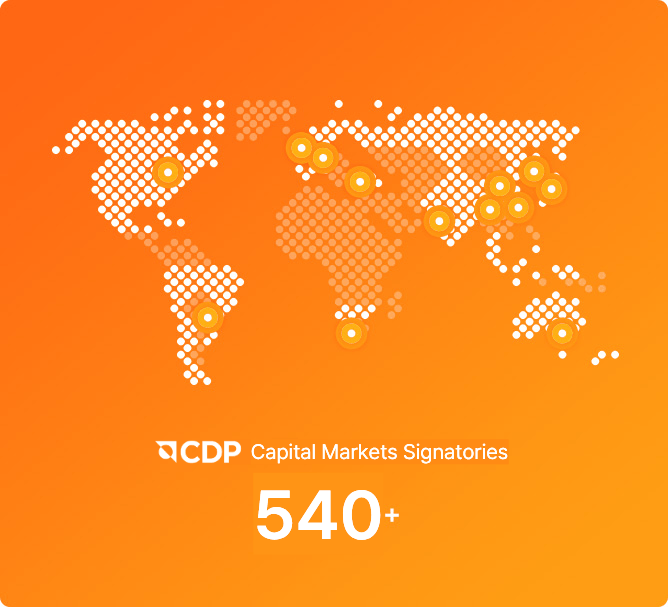
In 2025, more than 22,100 organizations disclosed environmental data through CDP. The disclosure request was supported by over 540 CDP Capital Markets Signatories, including 21 in Korea, representing USD 117 trillion in assets.
Korea : 21
Global : 540+
CDP Signatory Engagement and Activities


- CDP Capital Markets Signatories can participate in CDP-led engagement initiatives, including the annual disclosure request, the Non-Disclosure Campaign, Forests Champions, and Fair Water Footprint.
- Through these initiatives, signatories can encourage corporate environmental disclosure, engage non-disclosing companies, and address climate-, forest-, and water-related risks across portfolios and value chains.
- Signatories can also access company-reported data, CDP Scores, modelled GHG emissions data, and the Net-Zero Alignment Dataset to support investment analysis, engagement, benchmarking, and portfolio transition.
Contact
CDP Supply Chain
CDP Supply Chain
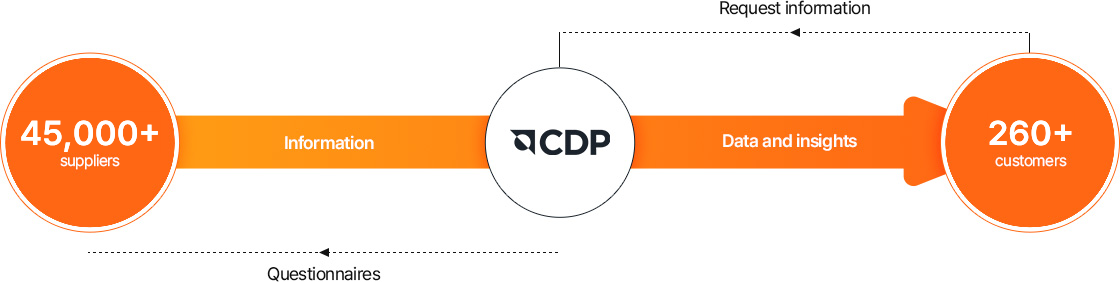
CDP Supply Chain enables companies to request environmental data from suppliers through CDP’s disclosure platform. Through supplier-level data, companies can identify environmental risks across their value chains, make more informed procurement decisions, and strengthen long-term supply chain resilience. As the secretariat of the CDP Korea Committee, KoSIF supports Korean companies in understanding and responding to growing expectations for supply chain transparency, Scope 3 emissions management, and supplier engagement.
CDP Supply Chain Program
One Response. Multiple StakeholdersSuppliers
- Understand and disclose their environmental impacts through CDP
- Report qualitative and quantitative data using a standardized and comparable disclosure framework
- Strengthen their capacity to identify environmental risks and collaborate with customers on reduction activities
Supply Chain Members
- Identify climate and environmental risks across their supplier base
- Use supplier-reported data to support risk management, procurement decisions, and sustainability strategies
- Track supplier performance and support progress toward internal and external sustainability targets
CDP Supply Chain provides data products and reports that help members analyze supplier responses, track performance, and develop engagement strategies.
-
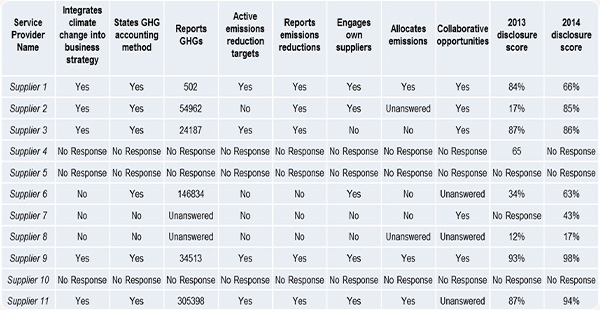 Raw Data
Supplier-reported response data
Raw Data
-
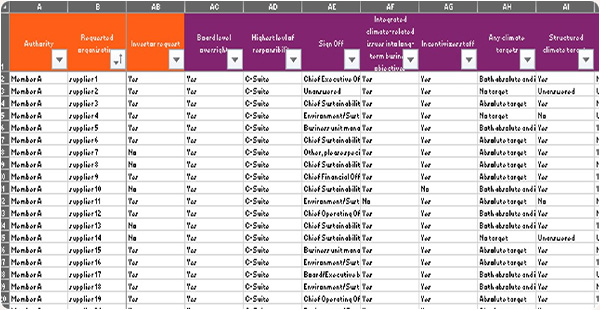 Metrics
Summary reports on key supplier indicators, including targets, emissions, and reduction activities
Metrics
-
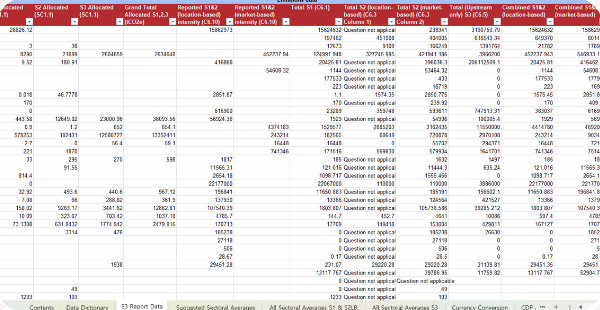 Scope 3 Report
Supplier data that supports the development of upstream Scope 3 emissions inventories
Scope 3 Report
-
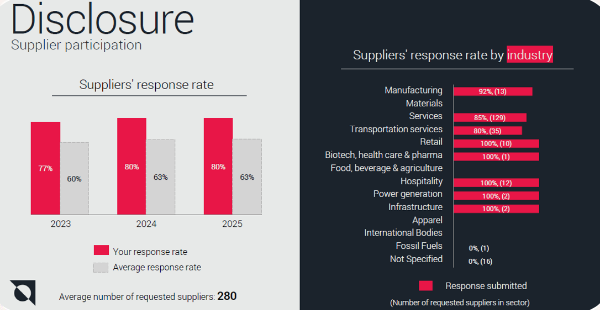 Insight Report
Multi-year analysis of supplier responses, providing strategic
insights for supply chain managementInsight Report
-
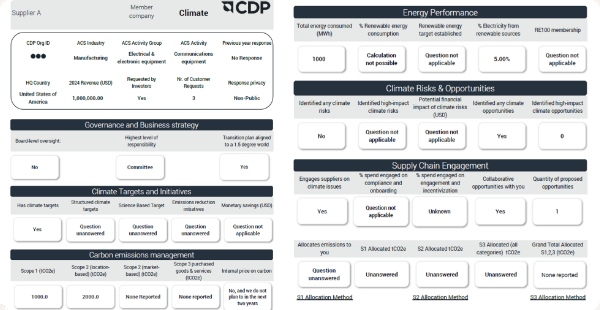 Supplier Profiles
Supplier-level summaries of key environmental indicators
Supplier Profiles
-
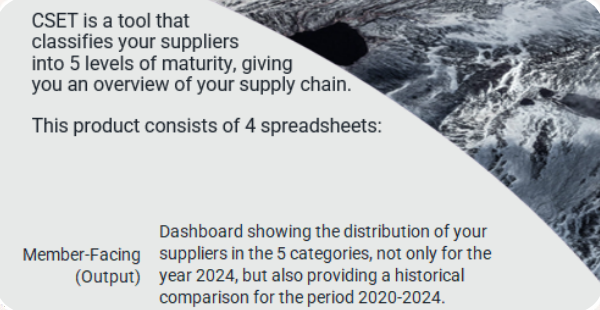 CSET
CSETThe Climate Stage Evaluation & Supplier Feedback Tool,
which assesses suppliers’ climate maturity and
provides stage-based feedbackCSET
Why Supply Chain Data Matters
-
 Enabling a Sustainable Future
 -
For many companies, the largest environmental risks lie not in direct operations but across their supply chains. Scope 3 emissions are, on average, significantly higher than operational emissions, making supplier-level data and engagement essential for net-zero strategies.
-
 Stay Ahead of Regulation
 -
Major disclosure frameworks and regulations, including the EU CSRD and IFRS S2, increasingly require Scope 3 emissions disclosure, making supplier-level data essential for regulatory readiness.
-
 Future-Proof Your Operations
 -
CDP Supply Chain helps companies collect standardized supplier data, identify risks and opportunities, and strengthen resilience across their value chains.
At a Glance (2025)
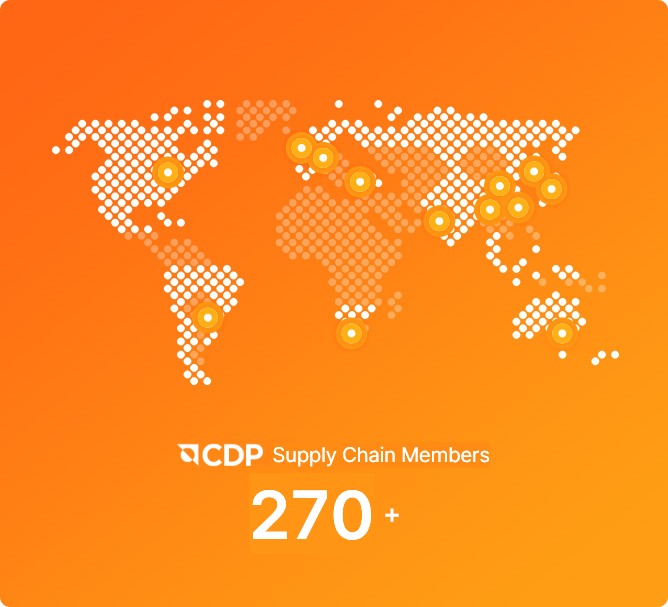
Korea : 1
Global : 270+
As expectations from investors, regulators, and customers continue to grow, the ability to collect and use supply chain data is becoming an important source of corporate competitiveness. CDP Supply Chain provides a practical channel for companies to strengthen supply chain transparency, manage Scope 3 emissions, and respond to global disclosure expectations.
CDP ASP
CDP Accredited Solutions Providers
CDP accredits environmental service providers that support companies in improving environmental disclosure processes and building stronger data management systems. Through CDP Accredited Solutions Providers, companies can access specialized advisory and technical support for climate-related disclosure, data management, and disclosure readiness.